Essential Guide to Efficient Pump Selection

Pumps are essential components in many industrial systems, responsible for moving liquids, gases, and slurries. However, selecting the wrong pump can result in inefficiencies, excessive energy consumption, frequent maintenance, and system failures. This guide will briefly explain the importance of pump selection, the step-by-step process to choose the right one, and how it leads to cost savings in industrial applications.


Why Pump Selection Matters

Incorrect pump selection can cause:

  • Energy Inefficiency: Oversized pumps consume more power than necessary, while undersized pumps may not meet system needs.
  • Increased Maintenance: Misselected pumps wear out faster, leading to higher repair and replacement costs.
  • Decreased System Performance: The wrong pump will struggle to meet system demands, leading to poor performance and downtime.

Choosing the right pump ensures optimal operation, reduced energy use, lower maintenance, and long-term savings.


Step-by-Step Pump Selection Guide

Step 1: Understand System Requirements

Before selecting a pump, gather critical system information, such as:

  • Flow Rate: This is the required amount of liquid or gas the system needs to transport, typically measured in gallons per minute (GPM) or liters per second (L/s).
  • Head or Pressure: This refers to the pressure the pump needs to overcome. It can be a combination of:
    • Static Head: The height the fluid must be lifted.
    • Friction Head: Pressure losses due to friction in the piping system.
    • Dynamic Head: Additional pressure losses from components like valves or fittings.

Step 2: Choose the Right Pump Type

Different pumps are suited for various applications. Here’s a general overview:

  • Centrifugal Pumps: These are ideal for handling low to medium viscosity fluids, such as water, chemicals, and light oils. They use rotational energy to create flow.
  • Positive Displacement Pumps: Used for high-viscosity fluids or when a constant flow rate is required, regardless of pressure. They move fixed volumes of fluid per cycle.

Step 3: Determine Net Positive Suction Head (NPSH)

The NPSH is crucial in ensuring the pump doesn’t cavitate (form vapor bubbles that can damage the pump). NPSH is divided into two important parameters:

  • NPSH Required (NPSHr): This is the minimum pressure required at the pump’s suction to avoid cavitation, specified by the pump manufacturer.
  • NPSH Available (NPSHa): This is the actual pressure available at the pump’s suction, determined by the system’s configuration, including fluid temperature, pressure, and elevation.

To prevent cavitation, the NPSHa must always be greater than the NPSHr. If the available NPSH is too low, it could cause the pump to fail prematurely.

Step 4: Review the Pump Curve

The pump curve is a graphical representation of a pump’s performance across different operating conditions. It shows the relationship between flow rate and head at various points. Key elements of the curve include:

  • Best Efficiency Point (BEP): This is the point where the pump operates most efficiently, providing maximum flow with minimum energy consumption.
  • Shutoff Head: The maximum head the pump can produce when there is no flow.
  • Operating Range: The flow and head range where the pump operates effectively.

The pump curve helps ensure that the selected pump meets the required system conditions. It’s important to select a pump that operates close to its BEP to minimize energy consumption and maximize efficiency.

Step 5: Evaluate Pump Efficiency and Power Consumption

Energy consumption is one of the largest costs in industrial pumping systems. Choose pumps with a high efficiency rating to reduce power usage and operational costs. Refer to the pump’s Energy Efficiency Index (EEI) and consider how the pump performs at various flow rates. Pumps that operate near their BEP are typically the most energy-efficient.

Step 6: Assess Material Compatibility

The pump’s materials must be compatible with the fluid being pumped. For example:

  • Corrosive Fluids: Use pumps made of stainless steel, titanium, or special alloys to resist corrosion.
  • Abrasive Fluids: Use pumps with ceramic coatings or other abrasion-resistant materials for durability.
  • High-Temperature Fluids: Ensure that the pump materials can withstand the specific operating temperatures.

Choosing the right materials extends pump life and reduces the risk of costly breakdowns.

Step 7: Consider Maintenance and Reliability

A pump’s reliability and ease of maintenance are key to ensuring smooth operations. Look for pumps that have low maintenance requirements and easy access to parts for quick repairs. Reliable pumps lead to less downtime and fewer operational disruptions, reducing long-term costs.


Cost Savings Through Proper Pump Selection

  1. Energy Efficiency: The right pump reduces energy consumption, lowering utility bills and improving overall efficiency.
  2. Reduced Maintenance: Properly selected pumps experience less wear, reducing the frequency and cost of repairs and replacements.
  3. Improved System Performance: The correct pump ensures stable, reliable operation, leading to fewer production interruptions.
  4. Long-Term Savings: Optimal pump selection minimizes the total cost of ownership, which includes energy costs, maintenance, and repairs over the pump’s lifespan.

Conclusion

Selecting the right pump is essential for maintaining system efficiency, reducing costs, and ensuring reliable operation. By following a step-by-step process that considers system requirements, pump type, NPSH, efficiency, and materials, industries can achieve substantial cost savings through energy efficiency, minimized maintenance, and optimized performance. Proper pump selection not only lowers operating costs but also contributes to sustainable industrial practices.

Get in touch if you need assistance in equipment selection process.

Promoting Safety Culture: Importance of HSE Audits in Construction

Health, Safety, and Environment (HSE) audits are crucial tools for ensuring that construction projects adhere to regulatory standards and maintain a safe working environment. These audits help identify potential hazards, evaluate the effectiveness of existing safety measures, and ensure compliance with legal and organizational safety requirements. By systematically assessing safety practices, an HSE audit helps in mitigating risks, preventing accidents, and promoting a culture of safety on construction sites.

Purpose of HSE Audits

  1. Risk Identification: Identify potential hazards and unsafe practices.
  2. Compliance Verification: Ensure adherence to legal and regulatory requirements.
  3. Performance Evaluation: Assess the effectiveness of current HSE practices and policies.
  4. Continuous Improvement: Provide recommendations for improving safety measures.
  5. Accident Prevention: Reduce the likelihood of accidents and incidents.
  6. Awareness Enhancement: Increase awareness among workers about safety protocols and practices.

HSE Audit Checklist

Depending on the regulation and company standard, various elements need to be evaluated. Below is an example of the key components of the checklist by which the overall condition of the HSE can be evaluated, and recommendations can be made to resolve any deviation from best practice.


1. Documentation and Administration

  • Health and Safety Policy: Is it up to date and accessible to all employees?
  • Risk Assessments: Are they current and comprehensive for all activities?
  • Safety Plans and Procedures: Are they documented and implemented effectively?
  • Incident Reports and Investigation Records: Are all incidents documented and investigated promptly?
  • Training Records and Certifications: Are training records maintained and certifications up to date?
  • Permits and Licenses: Are all required permits and licenses available and valid?
  • Emergency Response Plans: Are there clear and effective emergency response plans in place?
  • Communication Records: Are safety communications documented and accessible?

2. Site Management

  • Site Layout and Access Control: Is the site layout organized, and is access controlled?
  • Housekeeping and Waste Management: Is the site kept clean, and is waste managed properly?
  • Signage and Safety Notices: Are safety signs and notices clearly displayed?
  • Welfare Facilities: Are adequate welfare facilities (e.g., restrooms, drinking water) available and maintained?
  • First Aid Facilities and Equipment: Are first aid facilities and equipment available and in good condition?

3. Personal Protective Equipment (PPE)

  • Availability and Condition of PPE: Is PPE available and in good condition?
  • Proper Use and Compliance: Are workers using PPE correctly and consistently?
  • Training on PPE Usage: Have workers been trained on the proper use of PPE?

4. Work Practices

  • Safe Operating Procedures: Are safe operating procedures documented and followed?
  • Manual Handling and Ergonomics: Are manual handling practices safe and ergonomically sound?
  • Use of Tools and Machinery: Are tools and machinery used safely and maintained regularly?
  • Electrical Safety: Are electrical safety practices in place and followed?
  • Hot Work Permits and Controls: Are hot work activities controlled with appropriate permits?

5. Site Conditions

  • Scaffoldings and Ladders: Are scaffoldings and ladders used safely and inspected regularly?
  • Excavations and Trenching: Are excavation and trenching activities performed safely?
  • Confined Spaces: Are confined space entry procedures followed?
  • Fall Protection Systems: Are fall protection systems in place and used correctly?
  • Hazardous Materials Handling and Storage: Are hazardous materials handled and stored safely?
  • Fire Safety Measures: Are fire safety measures in place and effective?

6. Training and Competency

  • Worker Induction Programs: Are all workers inducted and aware of site safety rules?
  • Ongoing Safety Training: Is ongoing safety training provided to workers?
  • Competency Assessments: Are workers assessed for competency in their roles?
  • Toolbox Talks and Safety Meetings: Are regular safety meetings held and documented?

7. Emergency Preparedness

  • Emergency Contact Numbers: Are emergency contact numbers posted and accessible?
  • Evacuation Procedures: Are evacuation procedures in place and practiced?
  • Fire Drills and Mock Exercises: Are fire drills and mock exercises conducted regularly?
  • Emergency Equipment Maintenance: Is emergency equipment maintained and inspected regularly?

8. Environmental Management

  • Waste Disposal Practices: Are waste disposal practices environmentally compliant?
  • Spill Prevention and Response: Are spill prevention and response measures in place?
  • Noise and Dust Control: Are noise and dust control measures implemented?
  • Environmental Impact Assessments: Are environmental impact assessments conducted and followed?

This checklist provides a detailed framework to ensure that all critical areas are reviewed during an HSE audit on a construction site. It helps in maintaining high safety standards, minimizing risks, and ensuring a safe working environment for all employees.

Understanding Different Types of Contract Frameworks: Pros and Cons

In various industries such as construction, oil and gas, and pharmaceuticals, selecting the appropriate contract framework is crucial for the success of a project. Each contract type has its own set of advantages and disadvantages, influencing project costs, risk management, and overall execution. This article will explain different contract frameworks, focusing primarily on Fixed Price (Lump Sum), Cost-Reimbursable, EPC, Turnkey, Design-Build, Framework Agreements, and particularly NEC (New Engineering Contract).

1. Fixed Price (Lump Sum) Contract

Overview: A Fixed Price (Lump Sum) contract involves a single, fixed price for the entire project scope, regardless of actual costs incurred.

Pros:

  • Cost Certainty: Provides a clear and predictable budget for the client.
  • Simplicity: Easy to understand and manage.
  • Contractor Incentive: Encourages efficiency, as the contractor benefits from completing the project under budget.

Cons:

  • Limited Flexibility: Any changes in scope can be costly and time-consuming to implement.
  • Quality Risk: The contractor may cut corners to maximize profit.
  • Risk for Contractor: The contractor bears the risk of cost overruns, which can lead to disputes.

2. Cost-Reimbursable (Cost-Plus) Contract

Overview: In a Cost-Reimbursable contract, the contractor is reimbursed for all legitimate project costs plus an additional fee or percentage as profit.

Pros:

  • Flexibility: Easily accommodates changes in project scope.
  • Transparency: Provides detailed cost breakdowns and reimbursements.
  • Encourages Innovation: Contractors can propose innovative solutions without financial risk.

Cons:

  • Cost Overruns: Higher risk of exceeding budget as costs are not capped.
  • Administrative Burden: Requires detailed tracking and auditing of expenses.
  • Less Incentive for Efficiency: Contractors may have less motivation to control costs.

3. EPC (Engineering, Procurement, and Construction) Contract

Overview: EPC contracts are prevalent in the oil and gas industry and large-scale infrastructure projects, where the contractor is responsible for the entire project from design and procurement through to construction and commissioning.

Pros:

  • Single Point of Responsibility: Simplifies management for the client.
  • Predictable Costs and Timelines: Lump sum nature provides budget and schedule certainty.
  • Efficiency: Integrated approach can lead to faster project completion.

Cons:

  • Risk for Contractor: High risk transferred to the contractor, which can lead to inflated prices.
  • Less Flexibility: Changes are difficult and expensive to implement once the project is underway.
  • Potential for Overruns: If the scope is not well-defined, there can be significant cost and time overruns.

4. Lump Sum Turnkey Contract

Overview: Lump Sum Turnkey contracts are commonly used in the pharmaceutical industry for projects requiring a complete, operational facility delivered by the contractor.

Pros:

  • Fixed Price: Provides cost certainty for the client.
  • Single Point of Responsibility: Simplifies coordination and management.
  • Speed: Often leads to faster project delivery as the contractor controls the entire process.

Cons:

  • Risk for Contractor: High risk of cost overruns and delays falls on the contractor.
  • Quality Concerns: Risk of reduced quality if the contractor cuts costs.
  • Limited Client Control: Client has less influence over design and construction details.

5. Design-Build Contract

Overview: A Design-Build contract combines design and construction responsibilities into a single contract, fostering efficiency and innovation.

Pros:

  • Integrated Approach: Promotes coordination between design and construction, reducing delays and conflicts.
  • Speed: Can lead to faster project completion as design and construction phases overlap.
  • Cost Savings: Potential for cost savings through innovative solutions and efficient processes.

Cons:

  • Less Client Control: The client has less influence over the design process.
  • Potential for Conflicts: If not managed well, the dual roles can lead to conflicts of interest.
  • Quality Concerns: Focus on efficiency may sometimes compromise quality.

6. Framework Agreement

Overview: A Framework Agreement is an overarching contract that sets terms for future individual contracts within a specified period, often used for ongoing services or supplies.

Pros:

  • Flexibility: Allows for multiple projects or services under a single agreement.
  • Efficiency: Reduces the need for repeated tendering processes.
  • Consistency: Ensures consistent terms and conditions across multiple projects.

Cons:

  • Complexity: Can be complex to manage and administer.
  • Potential for Complacency: Long-term relationships may lead to reduced performance over time.
  • Less Competitive Pressure: May reduce competitive pressure as the same contractors are repeatedly used.

7. NEC (New Engineering Contract)

Overview: NEC contracts are designed to promote collaboration and proactive management, with various options such as lump sum, target cost, and bill of quantities. They are widely used in the construction industry and increasingly in other sectors.

Pros:

  • Enhanced Collaboration: Emphasizes teamwork and proactive problem-solving.
  • Flexibility: Various options (A, B, C, D) allow for tailored approaches to pricing and risk management.
  • Proactive Risk Management: Mechanisms like early warning systems and risk registers help manage risks effectively.
  • Transparency: Promotes clear communication and transparency between parties.

Cons:

  • Administrative Complexity: Requires more detailed administration and management.
  • Learning Curve: Project teams unfamiliar with NEC may face a learning curve.
  • Potential for Disputes: Detailed processes and procedures can sometimes lead to disagreements if not properly managed.

Selecting the appropriate contract framework depends on the specific requirements, risks, and objectives of the project and industry. Fixed Price contracts offer cost certainty but less flexibility. Cost-Reimbursable contracts provide flexibility but can lead to cost overruns. EPC and Lump Sum Turnkey contracts offer integrated project delivery with predictability, but transfer significant risk to the contractor. Design-Build contracts foster innovation and speed but may reduce client control. Framework Agreements streamline processes but can be complex to manage. NEC contracts, with their emphasis on collaboration and flexibility, are suitable for various project types, including large infrastructure projects.

Understanding the pros and cons of each contract type enables better decision-making and project outcomes, ensuring that the chosen framework aligns with the project’s goals and challenges.

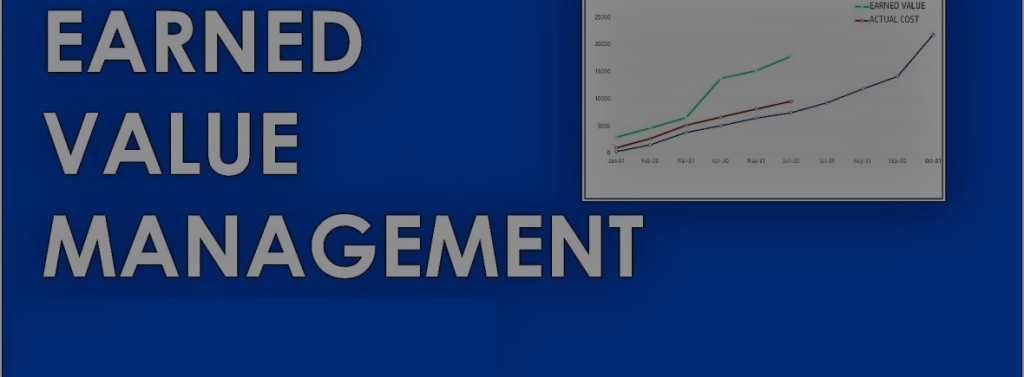
Earned Value Management Method

Overview of Earned Value Management

Earned Value Management (EVM) is a comprehensive project management technique used to assess project performance and progress. EVM integrates data regarding actual costs incurred, planned costs, and the monetary value of completed work to evaluate the project’s current status in terms of budget and schedule. Additionally, EVM enables the estimation of future project performance and outcomes.

Calculating Earned Value Management

The foundation of EVM is the Work Breakdown Structure (WBS). Each component within the WBS must be individually analyzed, with progress tracked for each work package. Completion rates are assigned as follows:

  • 100% for fully completed tasks
  • 0% for tasks not yet started or partially completed

For partially completed tasks, various methods such as the 50-50 rule, 0-100 percent rule, and critical input use rule can be applied. However, for simplicity, this discussion will assume a binary approach (0% or 100%) for completion rates.

Key Metrics in Earned Value Management

To effectively apply EVM, the following concepts are crucial:

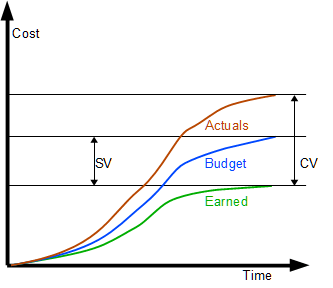
Earned Value (EV): The budgeted amount for the work accomplished to date.

Actual Cost (AC): The actual expenditure for the work performed.

Planned Value (PV): The budgeted cost for the work scheduled to be completed by a specific date.

These metrics should be continuously calculated and plotted to monitor deviations from planned performance and address any discrepancies.

Detailed Analysis of EVM Indices

Cost Variance (CV)

Formula: CV = EV – AC

Interpretation: A negative CV indicates that the project is over budget, meaning actual costs have exceeded planned expenditures.

Schedule Variance (SV)

Formula: SV = EV – PV

Interpretation: A negative SV indicates that the project is behind schedule.

Cost Performance Indicator (CPI)

Formula: CPI = EV / AC

Interpretation: A CPI less than 1 indicates that costs have exceeded the budgeted amount.

Schedule Performance Indicator (SPI)

Formula: SPI = EV / PV

Interpretation: An SPI less than 1 indicates that the project is progressing slower than planned.

Forecasting Future Project Performance

EVM also allows for future performance estimations through the following calculations:

Estimate to Complete (ETC)

Formula: ETC = (BAC – AC) / CPI

Purpose: Determines the remaining budget needed, assuming current performance trends continue.

Estimate at Completion (EAC)

Formula: EAC = AC + ETC

Purpose: Provides an estimate of the total project cost at completion.

To Complete Performance Indicator (TCPI)

Formula: TCPI = (BAC – EV) / (BAC – AC)

Purpose: Indicates the necessary cost performance for the remaining work to meet a specific management goal.

While other indices such as TPI and TV offer additional insights, the accuracy of EVM largely depends on the precise reflection of work completion percentages. Consistent monitoring and adjustment based on EVM metrics enable more effective project management, ensuring projects stay within budget and on schedule.

The Crucial Role of Human Resource Planning in Engineering Projects

Resource planning is the strategic process of identifying, allocating, and managing the resources required to execute a project successfully. These resources encompass not only tangible assets like manpower, materials, and equipment but also intangible elements such as time and expertise. Particularly, human resource planning takes centre stage, ensuring the right people are in the right place at the right time.

Importance of Human Resource Planning

Optimal Resource Allocation: Identifying and assigning skilled personnel appropriately prevents underutilization or overburdening, maximizing productivity.

Risk Mitigation: Anticipating resource gaps or skill shortages enables proactive measures, averting delays and cost overruns.

Enhanced Efficiency: Aligning human resources with project requirements fosters smooth workflow, reducing bottlenecks and enhancing project efficiency.

Improved Team Morale: Clear roles and responsibilities instill confidence and motivation, fostering a positive team environment vital for project success.

Techniques for Effective Human Resource Planning

Skills Assessment: Evaluate existing skill sets within the team and identify areas for development or augmentation to meet project demands.

Forecasting: Analyze historical project data, market trends, and future project requirements to forecast human resource needs accurately.

Succession Planning: Identify key personnel and groom potential successors to mitigate risks associated with talent turnover.

Collaborative Approach: Engage project stakeholders and team members to gather insights and ensure alignment between project goals and resource allocation strategies.

Tips for Successful Human Resource Planning:

Start Early: Initiate resource planning in the project’s infancy to allow sufficient time for thorough assessment and strategic decision-making.

Flexibility: Maintain agility in resource allocation to adapt to evolving project dynamics, market conditions, and unforeseen challenges.

Communication: Foster open channels of communication to ensure transparency and alignment between project managers, team members, and stakeholders.

Training and Development: Invest in continuous learning and development initiatives to equip team members with the necessary skills and knowledge to excel in their roles.

Common Mistakes to Avoid

Underestimating Resource Needs: Failure to accurately assess resource requirements can lead to understaffing, compromising project timelines and quality.

Overlooking Skill Diversification: Relying heavily on a limited pool of expertise increases vulnerability to disruptions caused by personnel availability or skill gaps.

Ignoring Team Dynamics: Neglecting team dynamics and interpersonal relationships can undermine collaboration and morale, impeding project progress.

Mastering human resource planning is paramount for the success of projects. By adopting proactive strategies, leveraging effective techniques, and avoiding common pitfalls, project managers can optimize resource utilization, mitigate risks, and foster a conducive environment for project success.

Navigating the Carbon Capture, Utilization, and Storage (CCUS) Landscape

Navigating the Carbon Capture, Utilization, and Storage (CCUS) Landscape: Embracing Opportunities and Overcoming Challenges

Welcome to the forefront of the fight against climate change! In our quest to reduce greenhouse gas emissions, Carbon Capture, Utilization, and Storage (CCUS) technologies emerge as superheroes. This article is your comprehensive guide to understanding the challenges, technical intricacies, market potential, and investment returns within the CCUS industry.

Industry Challenges: Before diving into the technical aspects, let’s acknowledge the hurdles. CCUS faces multifaceted challenges—technical, economic, regulatory, and social. High costs, scalability issues, and public acceptance are key concerns. However, industry leaders are actively addressing these challenges through innovation and collaboration.

Key Technical Information: The CCUS landscape is diverse, with various technologies and processes at play. Leading the pack in carbon capture are companies like Carbon Clean Solutions, Clime works, and ExxonMobil, each employing unique capture methods such as post-combustion, pre-combustion, and direct air capture. These technologies involve capturing CO2 emissions from industrial processes and power plants before they enter the atmosphere.

Once captured, CO2 undergoes compression and transportation, often via pipelines or ships, to suitable storage sites. Storage technologies utilize geological formations such as depleted oil and gas reservoirs, saline aquifers, and deep geological formations for secure and permanent storage. Schlumberger, Shell, and Chevron are among the market leaders in CO2 storage and injection technologies.

Enhanced Oil Recovery (EOR) presents another avenue for CO2 utilization, with companies like Occidental Petroleum leveraging captured CO2 to enhance oil recovery from mature oil fields.

To navigate the CCUS landscape effectively, expertise in process engineering, mechanical engineering, geology, and project management is essential. Understanding the intricacies of capture, transportation, and storage technologies, along with regulatory requirements and environmental considerations, is crucial for successful project development and implementation.

Market Potential: Despite the challenges, the CCUS market is brimming with potential. Industries with significant CO2 emissions, including power generation, cement production, and steel manufacturing, present lucrative opportunities for CCUS deployment. Moreover, emerging carbon markets and regulatory frameworks incentivize investment in CCUS technologies, driving market growth and innovation.

Potential Investment Returns: Investing in CCUS projects offers promising returns, both financially and environmentally. While initial capital costs may be significant, long-term revenue streams from carbon capture services, carbon credit trading, and revenue from enhanced oil recovery operations can yield attractive returns on investment. Government incentives, grants, and tax credits further enhance the financial viability of CCUS projects, making them appealing to investors.

Obstacles and Restrictions: Despite the industry’s potential, navigating regulatory uncertainties and securing suitable storage sites remain challenges. However, proactive engagement with regulators, stakeholders, and local communities can help overcome these obstacles and foster the development of sustainable CCUS projects.

In conclusion, the CCUS industry presents exciting opportunities for innovation, investment, and environmental stewardship. By addressing technical challenges, leveraging market potential, and overcoming regulatory obstacles, we can unlock the full potential of CCUS technologies and accelerate the transition to a low-carbon future. Join us on this journey towards a cleaner, greener world powered by CCUS innovation and collaboration.

Project Planning

Title: Mastering Project Planning: A Comprehensive Guide for Success

Introduction: Project planning serves as the cornerstone of efficient project management. It establishes a solid framework for achieving project objectives, managing resources, and meeting stakeholder expectations. In this comprehensive guide, we delve into the essential components of project planning, offering practical insights and strategies for creating a robust project plan that drives success.

Define Clear Project Objectives and Scope:

Start by articulating clear and concise project objectives and scope. What are the specific goals and deliverables of the project? Engage stakeholders to ensure alignment and gather valuable input for shaping project direction.

Establish measurable success criteria to gauge project performance and ensure accountability throughout the project lifecycle.

Craft a Structured Work Breakdown Structure (WBS):

Break down the project into manageable tasks and subtasks using a Work Breakdown Structure (WBS). This systematic approach facilitates better organization and enhances task clarity for team members.

Identify task dependencies and sequence them logically to optimize workflow efficiency and minimize project bottlenecks.

Assign responsibilities and roles to team members, fostering a collaborative environment conducive to project success.

Develop a Dynamic Project Schedule:

Develop a detailed project schedule outlining task timelines, milestones, and dependencies. Leverage project management tools like Gantt charts or intuitive software solutions to visualize and manage project timelines effectively.

Accurately estimate task durations and resource requirements, factoring in potential risks and constraints. Incorporate buffer time and contingency plans to mitigate unforeseen challenges and maintain project momentum.

Optimize Resource Allocation:

Identify and allocate resources judiciously based on project needs, skill sets, and availability. Strive for optimal resource utilization while balancing workload distribution across team members.

Continuously monitor resource allocation and adjust as necessary to address evolving project requirements and mitigate resource constraints.

Embrace resource management best practices to streamline workflows, enhance productivity, and drive project efficiency.

Implement Proactive Risk Management:

Anticipate potential project risks and develop a comprehensive risk management plan to mitigate threats effectively. Prioritize risks based on impact and likelihood, and devise proactive strategies to address them.

Regularly assess and monitor project risks throughout the project lifecycle, employing robust risk monitoring and mitigation techniques to safeguard project outcomes.

Foster a culture of risk awareness and accountability within the project team, empowering members to identify and address risks proactively.

Foster Stakeholder Engagement and Communication:

Cultivate open and transparent communication channels with stakeholders, keeping them informed and engaged throughout the project journey.

Solicit stakeholder feedback and input to ensure alignment with project goals and expectations, fostering a collaborative partnership for project success.

Address stakeholder concerns promptly and transparently, leveraging effective communication strategies to foster trust and mitigate potential conflicts.

Mastering the art of project planning is essential for navigating the complexities of project management and achieving desired outcomes. By adhering to best practices in defining objectives, structuring work breakdowns, developing dynamic schedules, optimizing resource allocation, implementing proactive risk management, and fostering stakeholder engagement, project managers can chart a course for success and deliver exceptional results. Embrace these principles, refine your approach iteratively, and watch as your projects thrive in today’s dynamic business landscape

Change Management in Engineering Project


Change management in engineering projects, whether in the energy sector, oil and gas industry, or pharmaceutical field, refers to the structured process of planning, implementing, and controlling changes to project scope, schedule, budget, and resources. This process is essential for effectively managing the complexities and uncertainties inherent in these industries, where projects often involve high stakes, technical challenges, and stringent regulatory requirements.

In engineering projects within these sectors, change management typically involves the following key components:

Change Identification: Identifying proposed changes to project scope, requirements, or specifications is the first step in the change management process. Changes can originate from various sources, including client requests, technical constraints, regulatory updates, or unforeseen circumstances.

Impact Assessment: Once a change is identified, project teams assess its potential impact on project objectives, including its implications for scope, schedule, budget, quality, and risk. This involves conducting thorough analyses to understand the ramifications of the proposed change and determine the best course of action.

Change Control: Change control processes are established to manage the evaluation, approval, and implementation of changes. This typically involves documenting change requests, reviewing them with relevant stakeholders, assessing their impact, and obtaining formal approval before proceeding with implementation.

Stakeholder Engagement: Engaging stakeholders, including project sponsors, clients, regulatory authorities, and end-users, is crucial throughout the change management process. Stakeholders provide input, feedback, and support, helping to ensure alignment with project objectives and regulatory requirements.

Risk Management: Change management incorporates risk management practices to identify, assess, and mitigate potential risks associated with proposed changes. This involves evaluating the likelihood and impact of risks, developing mitigation strategies, and monitoring risk throughout the change process.

Communication and Training: Effective communication is essential for keeping stakeholders informed about proposed changes, their rationale, and their implications. Training and education programs may also be necessary to equip project teams with the knowledge and skills needed to implement changes successfully.

Documentation and Tracking: Comprehensive documentation is maintained throughout the change management process, including records of change requests, impact assessments, approvals, and implementation plans. Tracking changes ensures transparency, accountability, and traceability of decisions.

Overall, change management in engineering projects is a systematic approach to managing change while minimizing disruption, maximizing benefits, and ensuring compliance with regulatory requirements. It enables organizations to adapt to evolving circumstances, address challenges, and achieve their project objectives effectively.

Piping Design

Title: Mastering the Art of Piping Design: Essential Tips for Success


Piping design is crucial for industrial facilities and infrastructure projects. To ensure success, here are 10 essential tips for mastering piping design:

  1. Understand Project Requirements: Begin by thoroughly understanding project needs, including fluid properties, pressure ratings, and safety regulations.
  2. Choose the Right Materials: Select piping materials based on factors like corrosion resistance and cost-effectiveness to enhance longevity and performance.
  3. Address Expansion and Contraction: Account for thermal expansion and contraction using expansion joints or flexible connectors to prevent stress-related issues.
  4. Optimize Pipe Routing: Minimize pressure drop and energy loss by designing efficient pipe routes with smooth bends and proper supports.
  5. Ensure Maintenance Accessibility: Design layouts that allow easy access for maintenance, ensuring valves and fittings are readily reachable.
  6. Provide Proper Support: Prevent sagging and vibration by implementing adequate support and restraint systems.
  7. Meet Safety Standards: Adhere to safety regulations and standards to ensure compliance and mitigate risks.
  8. Utilize Design Software: Increase efficiency and accuracy by leveraging advanced piping design software tools.
  9. Collaborate Across Disciplines: Coordinate with other engineering disciplines to ensure seamless integration with overall plant design.
  10. Test and Commission Thoroughly: Conduct comprehensive testing and commissioning to verify system integrity and functionality before implementation.

By following these tips, you can enhance efficiency, reliability, and safety in your piping design projects, meeting the needs of clients and stakeholders effectively.

Keywords: Piping design, project requirements, materials selection, expansion and contraction, pipe routing, maintenance accessibility, safety standards, design software, interdisciplinary collaboration, testing and commissioning.

Meta Description: Master piping design with these 10 essential tips. Learn how to optimize materials, routing, and safety compliance for successful projects.

Risk Management


Risk Management in the Engineering Industry: A Comprehensive Guide

Risk management plays a pivotal role in the engineering industry, ensuring project success, safety adherence, and financial stability. Engineering projects, with their inherent complexities, are susceptible to risks stemming from design flaws, construction errors, regulatory non-compliance, and environmental factors. Effective risk management entails a systematic approach encompassing identification, assessment, prioritization, and mitigation strategies throughout the project lifecycle.

Key Steps in Risk Management:

1. Risk Identification:

Conduct thorough assessments of project scope, stakeholders, and external factors.

Identify potential risks such as design uncertainties, technical challenges, and regulatory requirements.

2. Risk Assessment:

Analyse the likelihood and impact of identified risks using quantitative or qualitative techniques.

Prioritize risks based on their significance to project objectives.

3. Risk Mitigation Planning:

Develop strategies to reduce the likelihood or impact of identified risks.

Implement preventive measures, contingency plans, and resource allocation strategies.

4. Design Reviews and Quality Assurance:

Conduct comprehensive reviews of engineering drawings and specifications.

Implement quality assurance processes to identify and address design flaws early on.

5. Safety Protocols and Compliance:

Adhere to safety protocols and regulatory requirements to mitigate workplace hazards.

Implement safety training programs and conduct regular inspections.

6. Project Controls and Monitoring:

Establish key performance indicators (KPIs) and project management software for real-time monitoring.

Conduct progress meetings to address emerging risks proactively.

7. Contingency Planning:

Develop alternative strategies and response plans to mitigate unforeseen risks.

Establish emergency response procedures and secure backup resources.

8. Lessons Learned and Continuous Improvement:

Conduct post-project reviews to identify areas of improvement.

Implement corrective actions to enhance future risk management practices.

Techniques in Risk Management:

– SWOT Analysis

-Risk Assessment Matrix

– Fault Tree Analysis (FTA)

– Failure Mode and Effects Analysis (FMEA)

– Hazard and Operability Studies (HAZOP)

– Bowtie Analysis – Monte Carlo Simulation

– Scenario Planning

– Risk Transfer

– Continuous Monitoring and Improvement

Incorporating these risk management principles and techniques into engineering projects enhances success rates, safeguards assets, and ensures stakeholder satisfaction.